A very, very short post this week, for three main reasons:
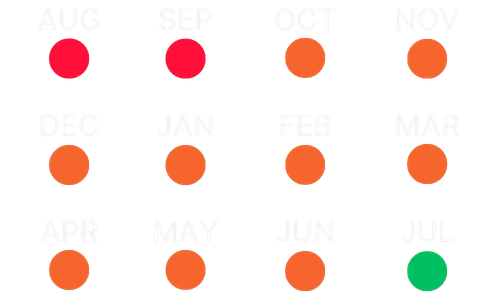
- I’ve got a £30k funding application to write from scratch, and it could really do with being submitted on or before 30th June;
- I’ve got a full-length play to write from scratch, and it’s going to be submitted for a competition, and the deadline is 1st August;
- I’ve really got to get the redraft of The Radiant City finished, and that really needs to happen by 31st August.
So today all I feel I’ve got time for is briefly singing the praises of A Long Game: How to Write Fiction by Elizabeth McCracken, which has come into my life at a point when I really needed it, as the best guidance figures so often do.
It takes the form of 280 nuggets of… I’m not sure what to call it. Advice, maybe, but that’s not a word I ever feel able to use without it having a negative, patronising connotation. McCracken is never patronising, and while the book is unashamedly negative at times, it manages to do so in the most positive way imaginable. Those occasional dips into negativity are beautifully timed to end on notes of renewed strength or self-awareness. You’ll only understand what I mean when you read it, and I really hope you will.
My copy (a birthday present from G) is plastered in blue sticky arrows, marking things I need to remember, things I haven’t committed to memory yet, and will return to on subsequent readings. I insisted on reading several of the noted points out aloud to G. And the last three paragraphs of one section got to me so much when I read them to him that I got a bit choked up.
Here those paragraphs are — from Note 210, about showing your work to other people:
“Now I hold onto things much longer. It builds up pressure. I want somebody else to read it, because that is how work becomes real. Until then, it’s imaginary. I work harder so that I can get somebody else’s opinion.
For months or years I write, revise, take notes. I know the world and its people, the flaws and strengths of the book. I am the leading expert, the only expert.
Then somebody—the fellow I’m married to or one of my other early readers—takes it out of my hands and describes it to me.* An astonishing feeling. Now it exists. There’s more to reckon with. Terrifying, wonderful.”
The asterisk marks the place where my eyes welled up. Even typing it out here has got my tummy turning over.
I do think what McCracken is talking about could apply very well to other creative disciplines, but for once, I’m not too bothered if this only feels like something writers feel, or need to hear. It’s okay for writers to have something addressed directly to them, their very own bowl of bean soup with no substitutions.
By the time I write another post, I hope my application has gone in. I bloody well need it to have gone in. Until then, whatever you’re working on, have fun being the leading expert, the only expert, on the thing that you and you alone are dedicating yourself to make.